Shih Tzu and Kids – Are Shih Tzus and Toddlers a Good Combination?
Picture a fluffy little dog bouncing around the living room while a toddler squeals with delight, chasing it in circles. That’s basically what life looks like when Shih Tzus and small kids share a house. As a longtime Shih Tzu owner, I’ve seen plenty of these moments play out in my own living room.
Shih Tzus are sweet and loving, but they also have a bit of sass that keeps things interesting. Balancing toddler energy with a Shih Tzu’s more sensitive side takes some effort, but with the right approach it usually works out well.
Whether you’re a new Shih Tzu owner wondering how your dog will fit into family life, or a seasoned owner trying to navigate the toddler years, here’s what I’ve learned about the joys, the challenges, and the practical tips for helping both your Shih Tzu and your kids get along.
Table of Contents
- Shih Tzus and family life
- Shih Tzu temperament: sweet, loving, and a bit sassy
- Understanding toddler behavior
- Shih Tzu size and fragility around small kids
- Shih Tzus and patience: are they naturally kid-friendly?
- Early socialization: preparing your Shih Tzu for toddler life
- Toddler safety 101: teaching kids to handle Shih Tzus gently
- Shih Tzu grooming with toddlers around
- Stress for Shih Tzus in a noisy household
- Playtime: fun activities for Shih Tzus and toddlers
- Food and treat time: avoiding conflicts
- Training your Shih Tzu to be toddler-ready
- Shih Tzus and toddlers during nap time
- Health precautions: keeping Shih Tzus and toddlers safe together
- Supervised interactions: why you should keep a watchful eye
- Shih Tzus and rough play: when to step in
- Dealing with Shih Tzu jealousy and resource guarding
- Shih Tzu health and toddlers: signs of stress or discomfort
- Success stories: real-life tales of Shih Tzus and kids getting along
- Final thoughts: are Shih Tzus a good fit for families with toddlers?
Shih Tzus and family life
Why families like Shih Tzus
Shih Tzus have long been popular family pets. Friendly and easygoing, with that distinctive long coat, they tend to get along well with both kids and adults. They also don’t need much exercise, which makes them a good fit for families who aren’t ready for a bigger, more demanding breed. How active a particular Shih Tzu is depends on its size, age, build, and metabolism.
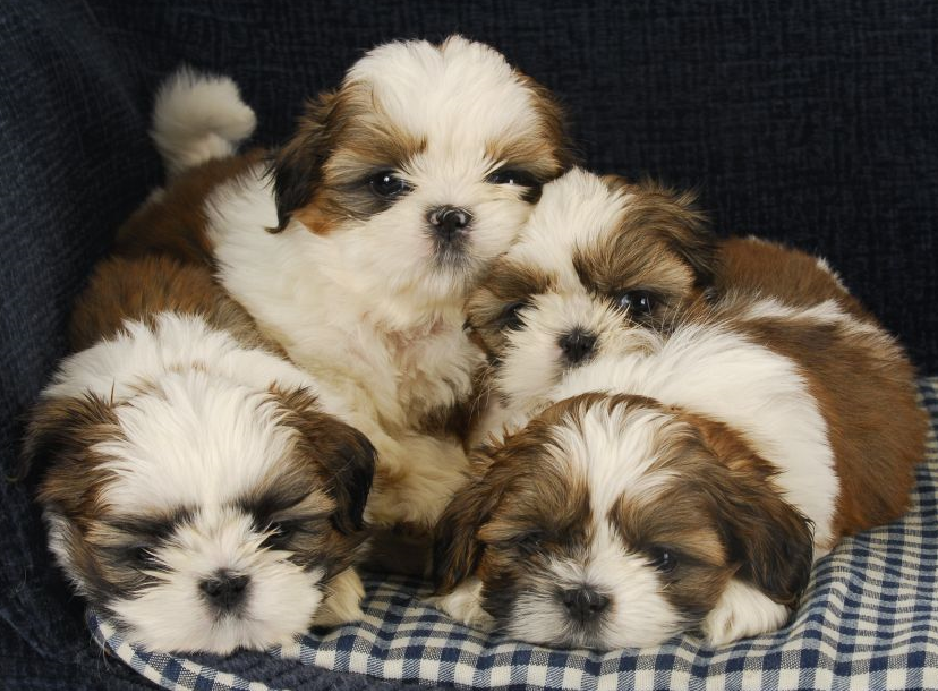
Shih Tzus as part of the family
There’s a common assumption that small dogs bark constantly, but Shih Tzus, when trained well, aren’t especially prone to that.
Our Shih Tzu, Buster, became a gentle sidekick to our kids and adapted to our household without much trouble. We taught the kids how to help with his daily brushing, which is necessary to keep his coat from matting.
Patience pays off here. Going in with realistic expectations makes the whole thing easier.
Family adaptation tips:
- Routine grooming: Gentle daily brushing keeps their coat in good shape.
- Education: Teach kids how to interact with the dog respectfully.
- Balanced attention: Even a healthy dog like the Shih Tzu still needs love and care.
If you’ve got your own stories or tips about living with a Shih Tzu, share them in the comments.
Shih Tzu temperament: sweet, loving, and a bit sassy
Shih Tzus are loving dogs with a streak of independence. Like many toy breeds, they enjoy company and make good companions, but they’re a bit more laid-back than some small breeds, preferring to lounge with the family rather than plot an escape.
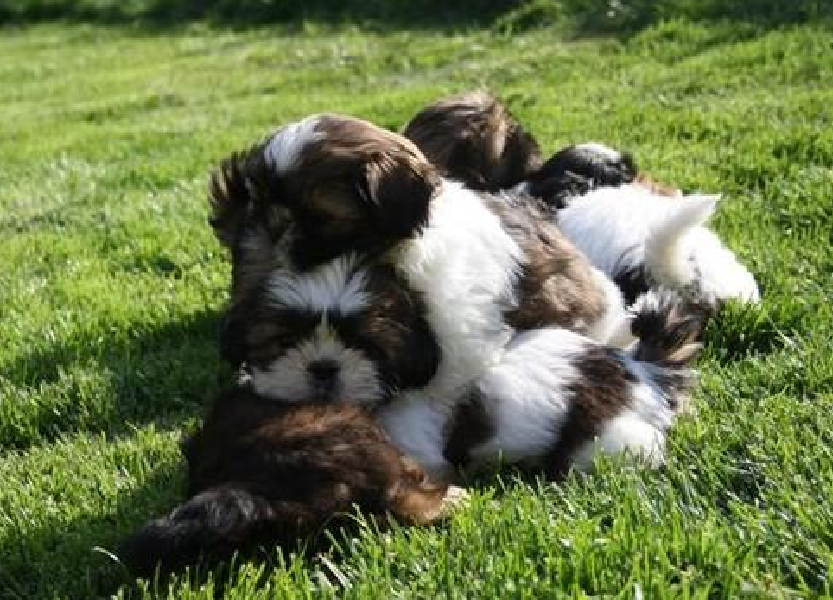
The sassy streak: Shih Tzu meets toddler
The Shih Tzu’s independent streak can clash with a toddler’s curiosity, especially when that curiosity isn’t gentle. A Shih Tzu will let you know when it’s unhappy, so it’s worth supervising interactions between the dog and young kids.
Signs of comfort and discomfort in a Shih Tzu
Understanding a Shih Tzu’s body language matters for keeping interactions with your kids safe and pleasant. Recognizing comfort and discomfort can prevent conflicts before they happen. Here’s what to look for.
Signs of comfort
- Relaxed body posture: A relaxed Shih Tzu has a loose stance. The tail sits in a neutral position, neither tucked nor raised, and the ears rest naturally, either flopped or slightly perked.
- Playful behavior: A wagging tail, bouncing paws, or a “play bow” (front legs stretched out, back end up) are invitations to play and signs the dog is enjoying itself.
- Seeking affection: A Shih Tzu that nudges the kids for petting or curls up next to them is comfortable. Rolling onto its back to show its belly means it trusts the people around it.
- Soft facial expressions: Soft eyes and a slightly open mouth signal a relaxed dog. Perked ears and raised eyebrows can mean genuine interest in what’s happening nearby.
Signs of discomfort
- Tucked tail and ears: A tucked tail or ears pressed back usually signals discomfort or apprehension. Take note if this shows up around younger kids specifically.
- Growling or snapping: A growl or a quick snap sounds alarming, but it’s usually a warning, the dog’s way of flagging discomfort before things escalate.
- Cowering or hiding: A Shih Tzu that hides or recoils needs a break from whatever is overwhelming it, whether that’s a rambunctious toddler or loud play.
- Rigid body language: Stiff movements and a tense body point to stress. If your Shih Tzu freezes up or won’t engage, give it some space.

Promoting positive interactions
The Shih Tzu’s temperament mixes sweet cuddles with a bit of independence. Once favored by Chinese emperors, they’ve settled comfortably into a very different role as family pets.
Staying observant helps keep things calm for both the Shih Tzu and the kids. Teach your children to respect the dog’s signals and give it space when it needs it. Regular practice with gentle interaction goes a long way toward building a good bond.
With some patience and guidance, a Shih Tzu can be a genuinely rewarding companion for kids.
Understanding toddler behavior
Common toddler behaviors and how they affect Shih Tzus
Toddlers move and talk unpredictably, which can confuse a Shih Tzu used to routine and familiar cues. A toddler’s sudden squeal of delight, for instance, might read to the dog as a sign of distress rather than joy.
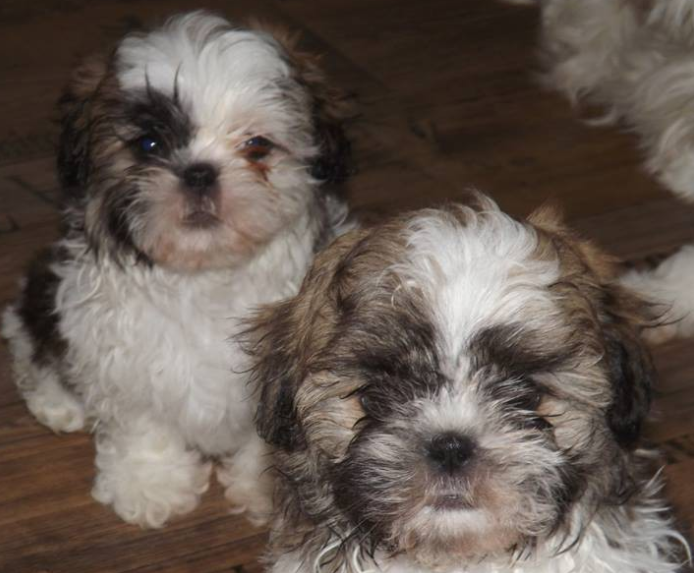
Teaching toddlers dog-friendly interactions
It helps to give toddlers a simple sense of what’s okay around the dog. A short list of dos and don’ts works well:
- Gentle touch: Teach toddlers to pet with an open hand.
- No grabbing: Explain why pulling fur isn’t okay.
- Quiet voices: Encourage talking softly around the dog.
The goal is to cut down on confusion so the Shih Tzu experiences toddler interactions as positive rather than unpredictable. Get that right and the two can build a genuinely good relationship.
Shih Tzu size and fragility around small kids
Bringing a Shih Tzu into a house full of young kids is exciting, but their small size makes them vulnerable to a toddler’s enthusiasm.
Vulnerability and risks
Shih Tzus stand only a few inches tall, which puts them at risk of accidental injury during play. Young kids can be too rough or step on them without meaning to, and that can cause real distress or harm.
Creating safe retreats and toddler-proof zones
Give your Shih Tzu a secure retreat, a cozy bed out of reach of little hands, so it has somewhere to rest. Teach kids to be gentle, and set up spaces only adults can reach. Baby gates work well for creating a zone where the dog can relax away from sudden movements or overexcited play.
Toys and equipment for safety
Pick toys sized for a Shih Tzu’s small mouth rather than toys made for larger breeds. Soft toys and correctly sized chewables keep them safely entertained.
Shih Tzus and patience: are they naturally kid-friendly?
Shih Tzu tolerance levels
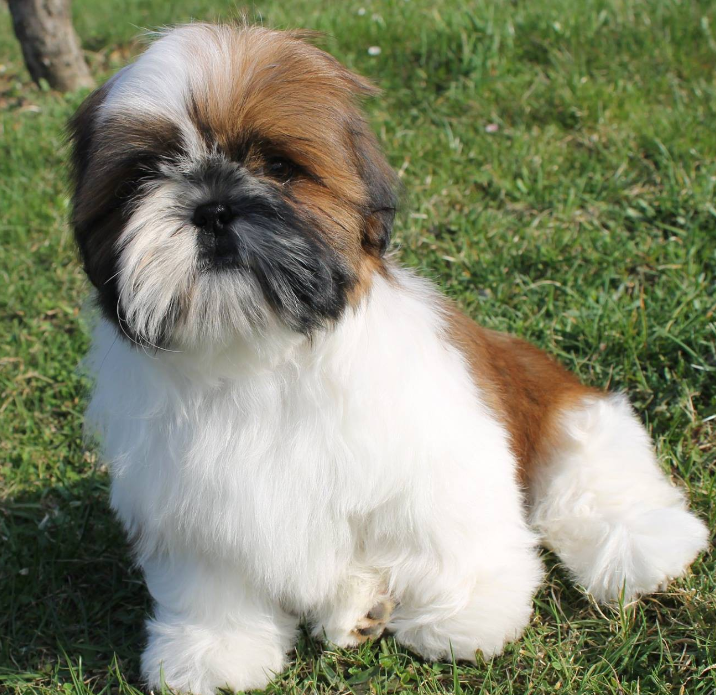
Shih Tzus bring a lot of joy into a home, but they have their limits. Compared to larger breeds, they tend to have less patience. They’re loving family pets, but rough handling or over-the-top play, common with small kids, can push their buttons.
Strengthening bonds through positive reinforcement
Building a good relationship between your Shih Tzu and your kids takes a bit of strategy. Gentle petting, treats, and praise work well. Teaching kids to respect the dog’s personal space also helps everyone’s patience hold up.
Recognizing when it’s time for a break
Even the friendliest Shih Tzu needs a breather sometimes. Watch for excessive barking or retreating to a quiet spot. That’s the dog telling you it needs some time alone.
Patience works both ways. A Shih Tzu that feels understood and respected turns into the companion it’s meant to be.
Early socialization: preparing your Shih Tzu for toddler life
The best age to start socializing your Shih Tzu with kids
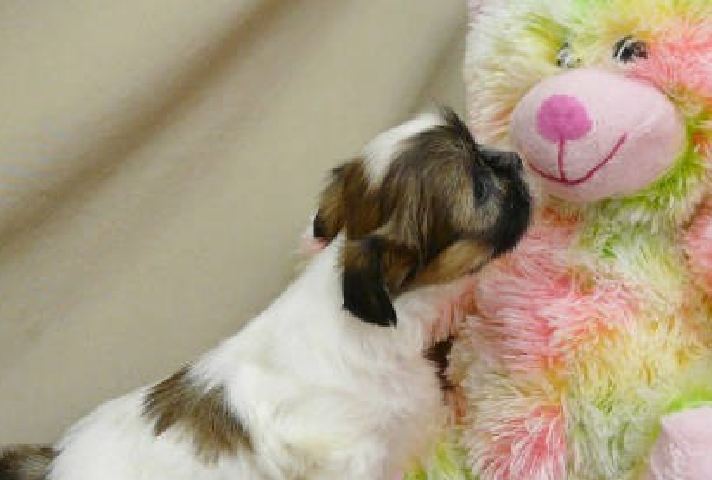
Start early. Ideally, begin socializing your Shih Tzu with children as a puppy, between 3 and 12 weeks old, when they’re most open to new experiences and environments.
Tips for positive first interactions
- Calm atmosphere: Keep the environment calm, not overwhelming for the puppy.
- Short sessions: Start with just a few minutes and extend gradually.
- Gentle touch: Teach children how to pet the puppy gently.
Involving toddlers safely
Supervision is essential when a toddler wants to play with your puppy. You can involve them by having them help with simple tasks, like placing a treat on the floor, which builds a positive association between the puppy and your child.
Here’s a quick look at socialization milestones:
| Age (Weeks) | Socialization Activity |
|---|---|
| 3-4 | Introduction to calm surroundings |
| 5-8 | Gentle interactions with kids |
| 9-12 | Enrol in puppy classes |
Introduction to calm surroundings
A quiet room with few distractions gives both the puppy and the toddler a chance to focus on each other and build a sense of security early on.
Gentle interactions with kids
Introduce concepts like “quiet hands” and “gentle hugs” in terms toddlers can understand. Show them how to approach the puppy calmly from the side rather than head-on, so the dog can see them coming and doesn’t feel cornered.
Enroll in puppy classes
Puppy classes are a good way to get safe, structured interactions with children. They give the puppy important socialization and give parents and kids a place to learn together how to handle the dog well.
Toddler safety 101: teaching kids to handle Shih Tzus gently
The two-finger rule for tiny hands
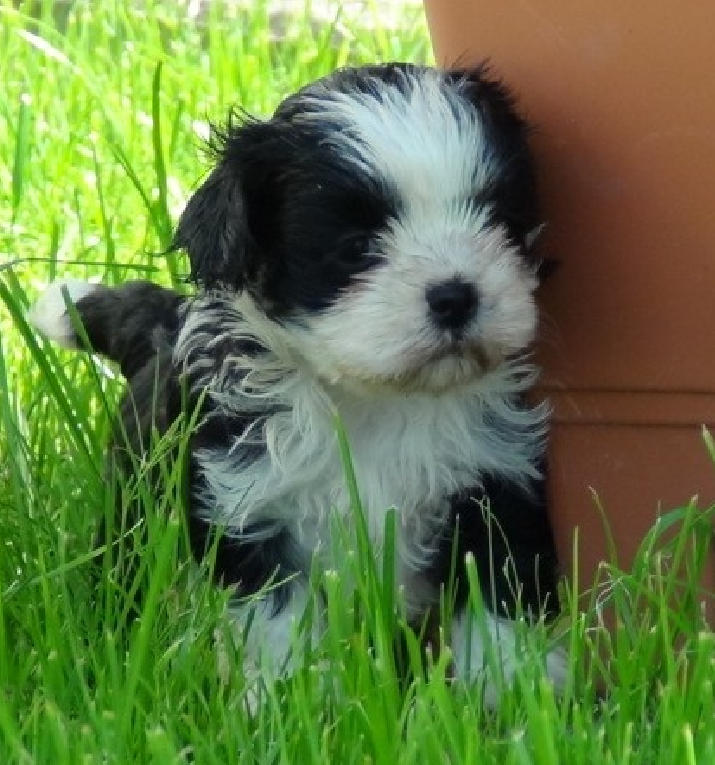
The two-finger petting rule is a simple, effective way to teach toddlers how to handle the dog. Have them use just two fingers to pet gently, focusing on the back and sides. Remind them to stay away from sensitive spots like the eyes and tail.
Respecting the dog’s space: setting boundaries early
Toddlers usually don’t grasp personal space on their own, but with guidance they learn to give the dog some downtime. Role-playing works well for showing gentle interaction and respecting boundaries.
A few tips:
- Use books or videos made for kids to show dog care in action.
- Act out scenarios together to reinforce good behavior.
A quick table to help remember:
| Do’s | Don’ts |
|---|---|
| Two-finger petting | Pulling on fur |
| Respecting boundaries | Disturbing while resting |
If you’ve got hacks that work in your own house, let the Shih Tzu Fanz know.
Shih Tzu grooming with toddlers around
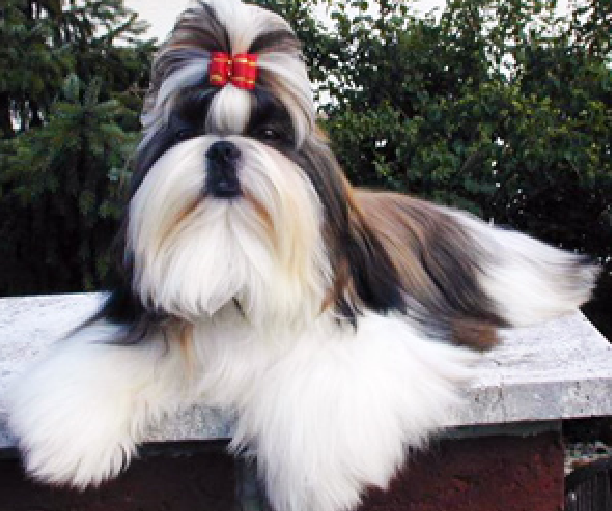
Grooming a Shih Tzu while watching a toddler can feel like juggling. A few safe habits make it easier, and it can even become a fun family activity.
Start by picking a secure spot where the dog feels comfortable. Gentle voice tones or soft music can help set the mood.
Meanwhile, keep the toddler occupied with a toy grooming kit so they can mimic brushing alongside you. That way, they feel involved without adding chaos.
Involve toddlers in easy tasks
Let your toddler act as a mini grooming assistant. Hand them a soft brush and let them help with the daily brushing under your supervision. Kids like feeling useful, and it teaches them empathy toward animals. Keep sessions short to match your Shih Tzu’s patience, so nobody, dog or child, ends up frustrated.
A relaxed, predictable routine keeps grooming from becoming a source of anxiety. The payoff isn’t just a smooth coat, it’s the bond that builds between everyone involved.
Stress for Shih Tzus in a noisy household
A home full of toddlers and a Shih Tzu or two is a fun scene, but all that noise can be a lot for the dog to handle.
Stress triggers and symptoms
Shih Tzus can get stressed by shouting, sudden bangs, and even noisy toys. If your dog starts barking excessively, retreating to hidden spots, or showing unusual restlessness, it’s likely feeling overwhelmed.

Creating quiet zones and using calming tools
Set up a quiet corner where your Shih Tzu can escape the noise. Calming sprays or sound machines built for stress relief can help too.
From my own experience, gradual exposure to household noise works best: introduce manageable sound levels consistently, then increase them slowly over time.
Tools for stress relief
| Tool Type | Examples | Usage | Benefit |
|---|---|---|---|
| Calming Sprays | Adaptil, Pet Remedy | Spray in your dog’s resting areas; follow packaging instructions for frequency. | Reduces anxiety |
| Sound Machines | White noise machines, Calming music players | Play soft sounds during hectic times, helping your Shih Tzu relax amidst chaos. | Masks disruptive noises |
| Comfort Items | Soft blankets, favorite toys | Create a soothing nook for your Shih Tzu with familiar scents that promote calmness. | Provides security |
| Interactive Puzzles | Treat-dispensing toys | Engage your Shih Tzu in focused play to divert attention from surrounding noise. | Distraction |
| Thundershirts | Anxiety wraps | Fits snugly around your Shih Tzu to provide comfort; check sizing for a good fit. | Calms the nerves |
Playtime: fun activities for Shih Tzus and toddlers
Age-appropriate games
Simple games work best. Try “hide and seek,” where your toddler hides with a parent or grandparent while the Shih Tzu sniffs them out. It taps into the dog’s instincts and stays safe for young kids.

Interactive toys and outdoor fun
Both Shih Tzus and toddlers are curious and playful. Soft, interactive toys work well indoors, tug ropes and squeaky toys for short bursts of play. Outside, a mini obstacle course, tunnels, jump ropes, small hoops, gives them plenty to do at a scale that suits a small dog.
Supervised play is safe play
Keep an eye on playtime to make sure it stays safe. Shih Tzus can get excitable, jumping or barking more than usual. Watching closely helps prevent accidental tumbles or overly tight hugs, which can cause corneal dryness or other reactions in the dog.
Food and treat time: avoiding conflicts
Teaching toddlers food etiquette
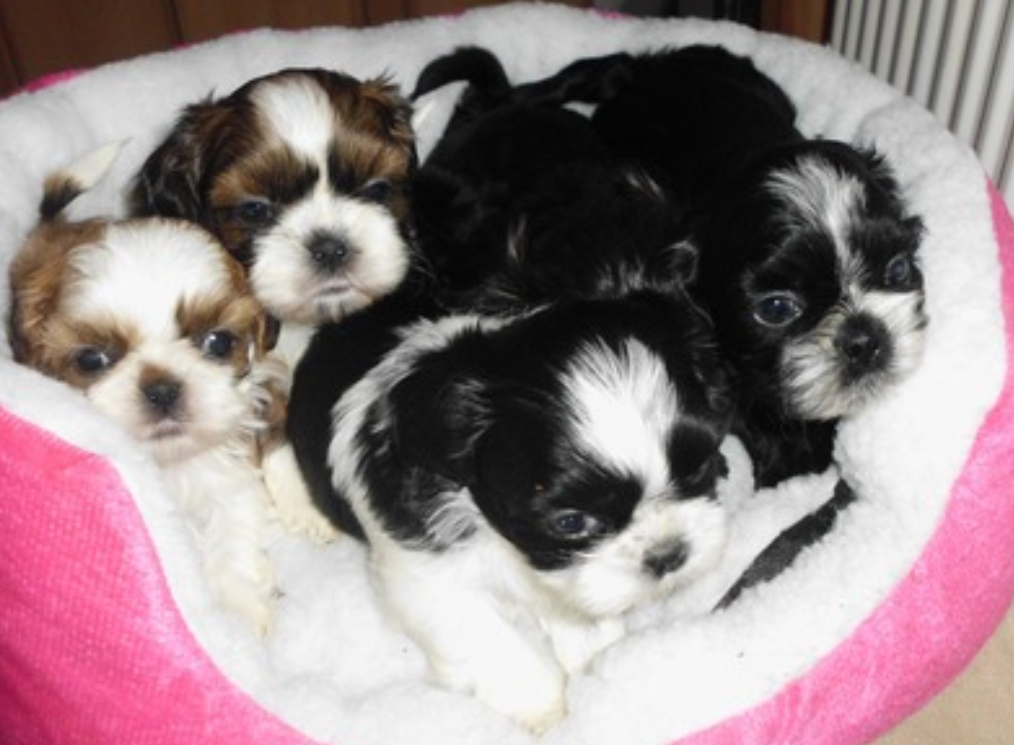
Teaching toddlers not to grab food from the dog matters just as much as any other house rule. Explain patiently that taking food away from the dog isn’t safe. Role-playing with stuffed animals can show them how to offer treats gently.
Managing food aggression and safety
Some Shih Tzus get a bit possessive over food. If yours shows food aggression, separate feeding areas or times for the dog and toddler help keep meals peaceful. Consider keeping the dog’s treats somewhere the toddler can’t reach.
A quick checklist:
- Use treat time for bonding and positive reinforcement.
- Set up distinct zones for dog and toddler meals.
- Keep dog snacks and treats out of your toddler’s grasp.
With a few adjustments, a Shih Tzu and a toddler can share mealtimes without much drama.
Training your Shih Tzu to be toddler-ready
Commands like “stay,” “leave it,” and “gentle” are the foundation of a safe home with toddlers around. They’re your best tool for keeping the peace and keeping your toddler safe. Consistency matters, so make sure everyone in the family uses the same commands, or the dog will get confused.

Reinforcing calm and positive behavior
Shih Tzus, like many toy breeds, respond well to positive reinforcement. Praise and reward your dog when it responds well to commands. Teaching it to stay calm around unexpected toddler movements can prevent accidents. A professional trainer can help if you hit a rough patch with a specific issue.
| Essential Commands | Positive Reinforcement |
|---|---|
| Stay | Praise |
| Leave it | Treats |
| Gentle | Consistency |
Patience and understanding go a long way here. Every small success builds toward a better relationship between your Shih Tzu and your toddler. If you’ve got training stories worth sharing, we’d love to hear them.
Shih Tzus and toddlers during nap time
Teaching toddlers to respect nap time
One thing I’ve learned as a longtime Shih Tzu owner: toddlers need to learn to leave the dog alone when it’s sleeping. Nap time matters for a Shih Tzu’s recovery, so even the smallest family members need to understand not to disturb the dog while it rests. A few gentle reminders usually do the trick.
Creating a cozy nap zone
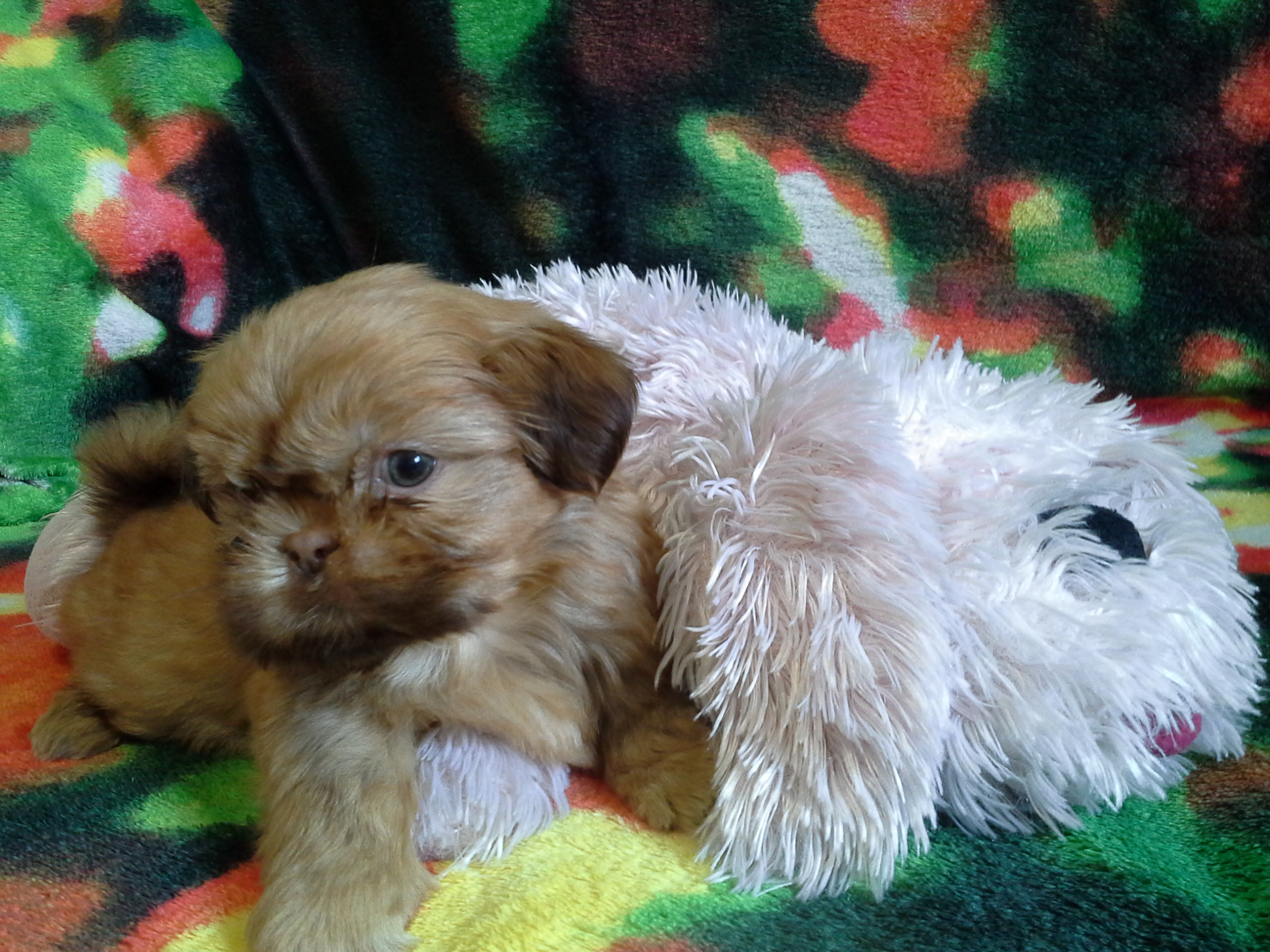
Set up a quiet nap area with a plush bed in a less-trafficked part of the house. It gives your dog somewhere to relax and signals to the kids that it’s the dog’s rest time.
Syncing nap schedules
If your child’s nap and your Shih Tzu’s nap line up, you get some quiet time of your own. A simple checklist to get started:
- Set a consistent nap schedule.
- Use soothing sounds to encourage relaxation.
- Monitor progress and adjust as needed.
The payoff: a calmer household and two well-rested household members.
Health precautions: keeping Shih Tzus and toddlers safe together
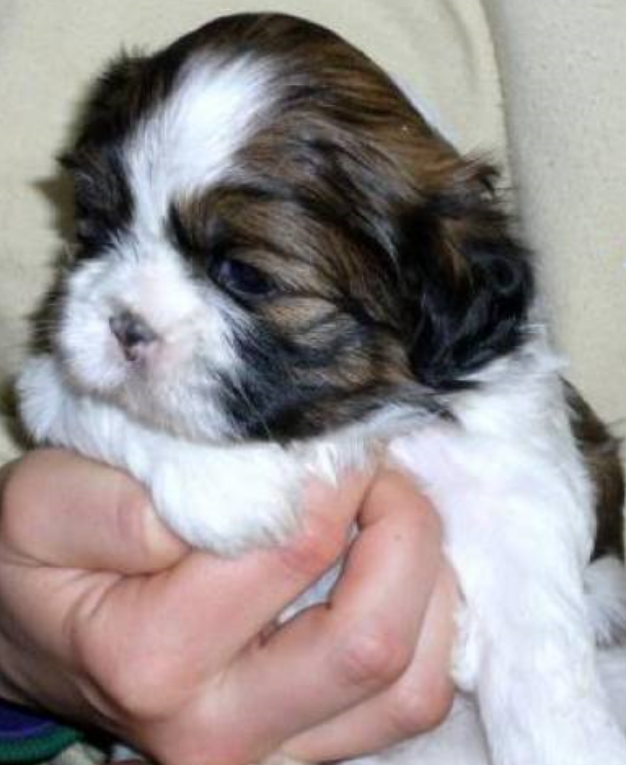
Good hygiene matters for both the dog and the kids around it. Regular vet visits catch health issues early, and staying current on vaccinations and flea prevention keeps everyone at ease.
It’s just as important to teach toddlers to wash their hands after playing with the dog. It’s a small step that helps keep parasites and allergens from spreading.
Vet visits and preventive measures
During checkups, your vet will look for common issues like hip dysplasia, patellar luxation, and retinal atrophy. Catching these early keeps the dog more comfortable, which means fewer stressed moments of barking and more calm time with your child.
Staying on top of these basics protects the bond between your Shih Tzu and your toddler.
Supervised interactions: why you should keep a watchful eye
Recognizing red flags in behavior
Watching toddlers and Shih Tzus play together is fun until it isn’t. Keep an eye out for signs like excessive barking, lip licking, or a tucked tail, all signals of discomfort or stress in the dog. If your toddler starts grabbing too much, step in gently.
Balancing supervision and encouragement
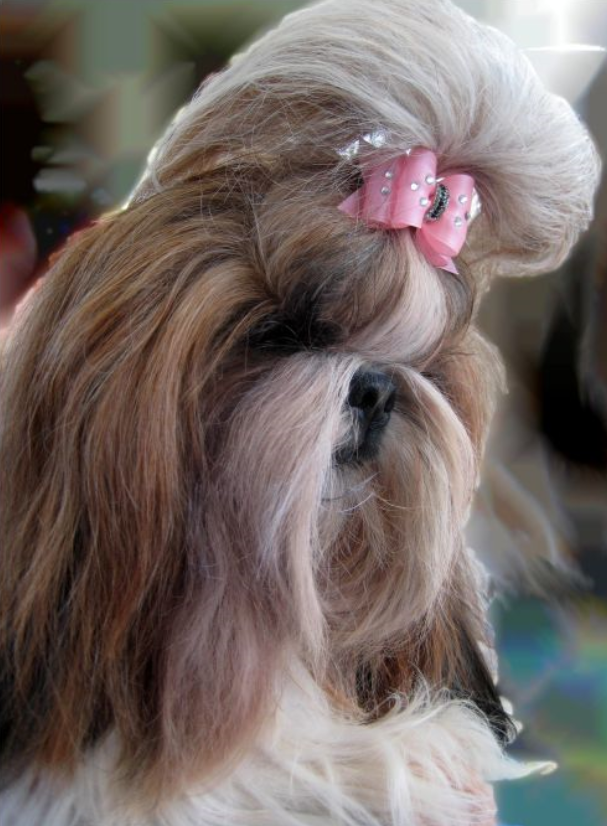
Supervision doesn’t mean hovering over every moment. Think of it more as gently guiding interactions, a soft pet here, a gentle game of fetch there. If things get too rowdy, redirect calmly with a favorite toy or treat.
Quick intervention tips
- Use keywords like “gentle” or “slow” to guide calmer behavior.
- Offer toys or activities that encourage shared engagement.
- Keep a table handy with treats or distractions to avoid escalation.
These moments are learning experiences for both your kid and your dog. A light touch of supervision now sets up a friendship that lasts.
Shih Tzus and rough play: when to step in
Recognizing the signs of rough play
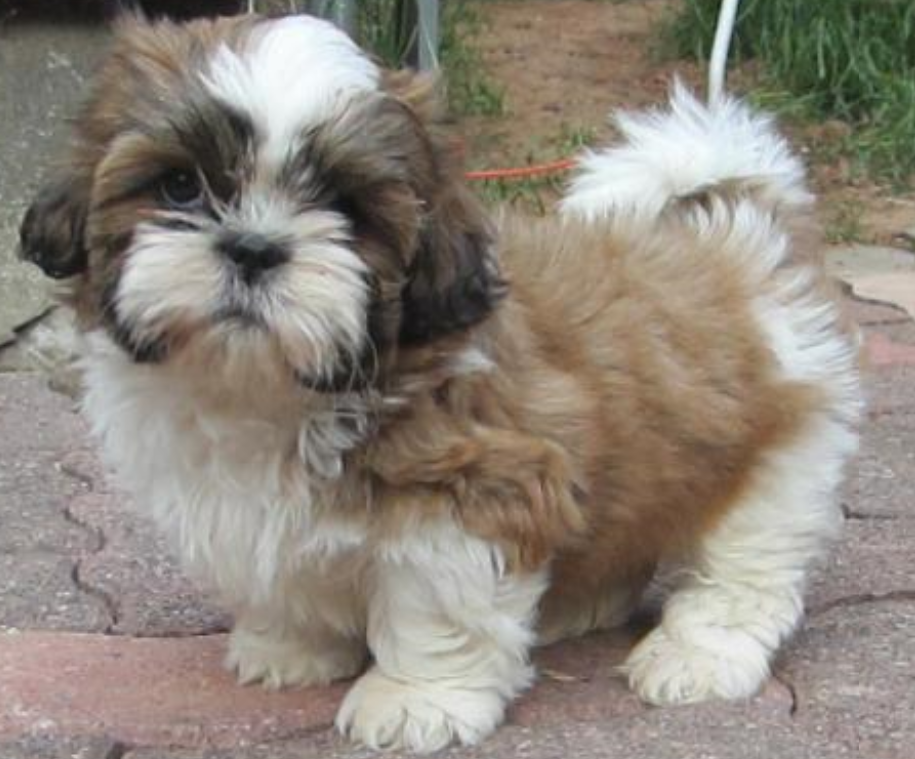
Watching your dog tumble around with the kids, it’s worth asking: is that play, or is it too much? Excessive barking, a tucked tail, or an attempt to escape are signals your Shih Tzu isn’t enjoying it as much as your toddler is.
Teaching kids to respect Shih Tzu boundaries
Toddlers love pulling at anything fluffy, so explain the dangers of tugging tails or ears early on. Sit them down and talk about why the dog’s coat and ears aren’t for yanking. A bit of explanation early on builds real respect.
Tools and tips for controlled playtime
When things get out of hand, a playpen can create a safe space for both the dog and the kids to take a breather. If rough play turns into a recurring behavioral issue, a professional trainer can help.
Dealing with Shih Tzu jealousy and resource guarding
Recognizing jealousy in Shih Tzus
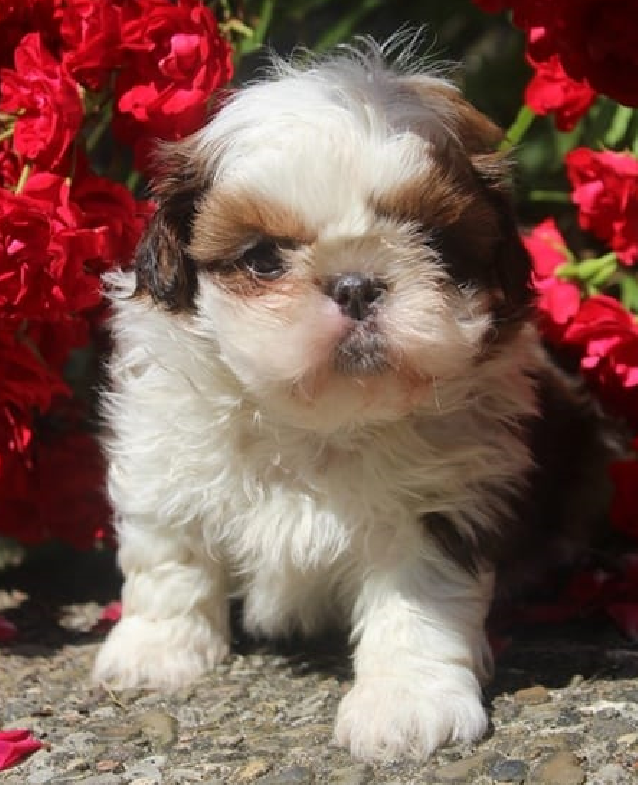
If your Shih Tzu seems off lately, jealousy might be the cause, especially if there’s a new pet or family member around. Watch for excessive barking, whining, or possessiveness over favorite spots. It’s a normal reaction.
Calming tense situations and offering reassurance
When tension rises over toys or beds, separate the pets calmly and redirect their attention with a treat or a short walk. Give your dog extra cuddles and playtime, and include it in family activities so it still feels like part of the pack.
A quick table on dos and don’ts:
| Do | Don’t |
|---|---|
| Offer equal affection | Yell or punish |
| Introduce changes gradually | Suddenly change routines |
| Reward calm behavior with treats | Reward jealous behavior |
Keeping your Shih Tzu included and treated fairly is the best way to head off jealousy. If you’ve got questions or tips of your own, share them, we’re all figuring this out together.
Shih Tzu health and toddlers: signs of stress or discomfort
Subtle stress cues in your Shih Tzu
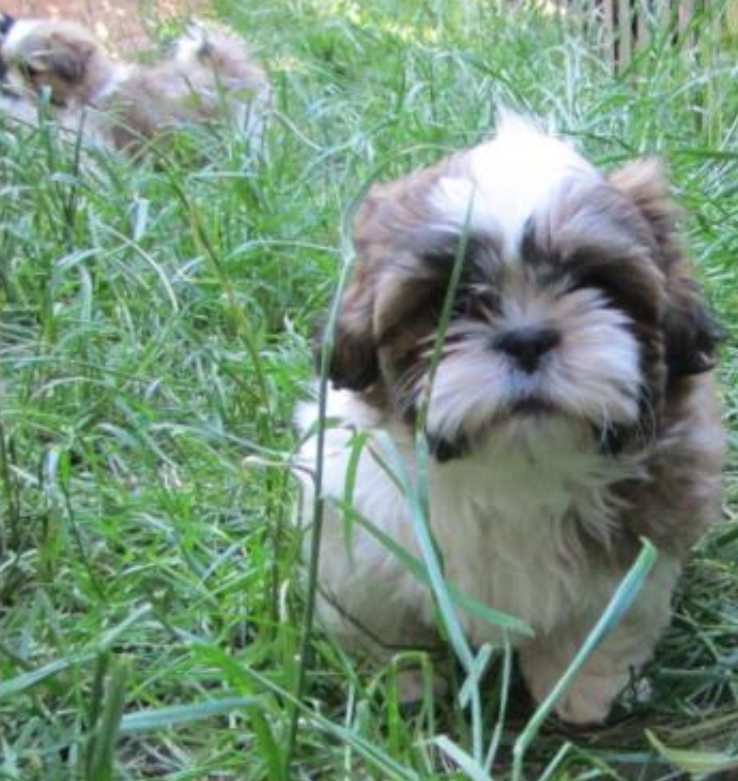
Shih Tzus often signal stress subtly. Watch for yawning or excessive lip-licking around toddlers specifically, both can mean the dog feels overwhelmed or uncomfortable.
Monitoring and managing health and energy levels
Check in on your Shih Tzu’s overall health and energy levels regularly. Stress can affect eating and sleeping patterns, so if you notice a change, it may be time to adjust the environment or routine. A quiet space with familiar toys often helps.
| Sign of Stress | Possible Cause |
|---|---|
| Excessive Yawning | Overstimulation, fatigue |
| Licking Lips | Anxiety around toddlers |
| Change in Eating Habits | Stress or health issues |
When to seek professional help
If you’re worried about your Shih Tzu’s behavior or health, talk to a vet. Addressing discomfort early, with professional advice when needed, keeps your dog healthy even in a busy household.
Success stories: real-life tales of Shih Tzus and kids getting along
Tales of transformation: Shih Tzus thriving with families
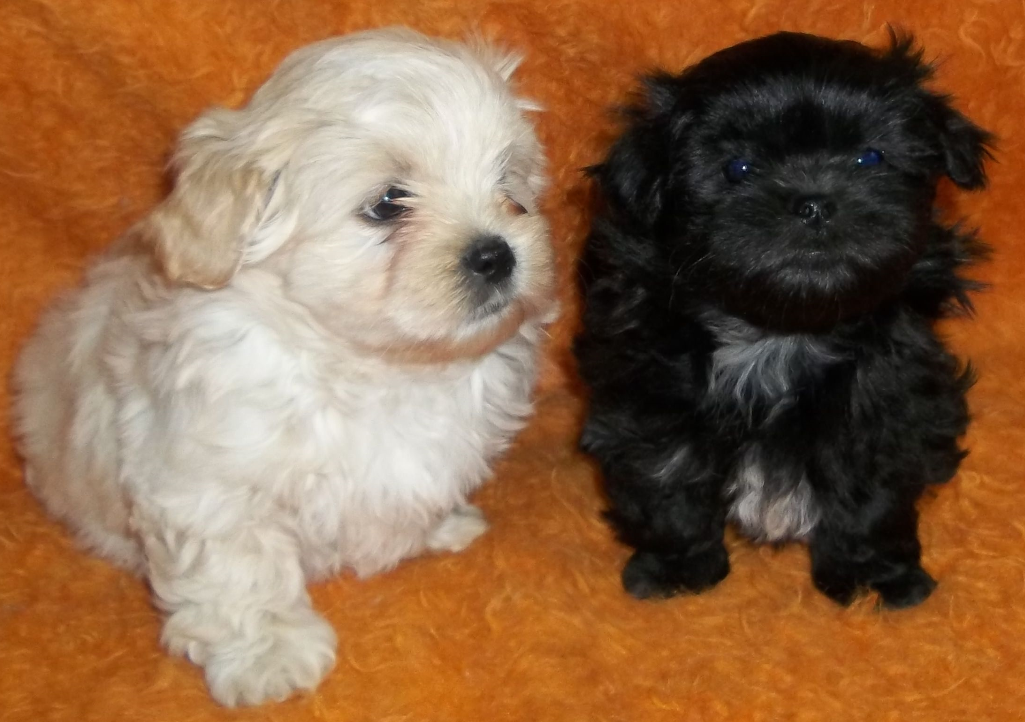
The Tran family’s Shih Tzu, Cosmo, turned bedtime into a routine of his own. Every night he snuggles up and helps calm their energetic twins with his presence.
Julie, a new mom, says her Shih Tzu, Bella, taught her toddler compassion and responsibility, from daily brushing sessions to garden adventures.
Patience, play, and unbreakable bonds
Successful Shih Tzu-kid pairings often come down to patience. The Sanders family found this out firsthand: over time, their Shih Tzu, Max, stopped barking excessively and became a playful companion for their 5-year-old.
A quick guide that families swear by:
- Introduce slowly: Allow time to adjust.
- Encourage play: Supervised interaction builds trust.
- Regular grooming: A chance to bond over coat care.
For new Shih Tzu owners, the bond you build is worth the effort. Patience pays off, and watching your dog settle into family life is worth it.
Final thoughts: are Shih Tzus a good fit for families with toddlers?
Overall, Shih Tzus can be a great addition to a family with toddlers. They’re affectionate, don’t need much exercise, and make good playmates for young kids.

Every family and dog relationship is different, so think about your own needs, your household dynamics, and how much activity your dog will realistically get. Are you ready for the grooming and the potential vet bills or pet insurance? Weigh it carefully, do a bit more research if you need to, and with some preparation and love, a Shih Tzu might be a great fit for your family.
Feel free to share your own experiences or ask questions in the comments.